
Independent technical strength, on the community's side of the table.
We partner with Indigenous businesses and work directly for Nations and their leadership, so that projects on their lands are assessed, reviewed and shaped from their perspective.
What we bring to Indigenous communities and government.
We work for the Nation
Our role is technical representative for the community, not the proponent. Since 2020 we have represented Nations and stewardship organizations on two of Canada's largest pipeline projects.
Evidence leadership can own
RiskReady® scores, models and gap registers are written down and traceable, so leadership can test every conclusion and put it to the proponent with confidence.
Approval before construction
Our Technical Construction Request process means no segment proceeds until the Nation's reviewers have signed off — including twelve sign-offs at one culturally sensitive site as the work changed.
Engineering depth
Thirteen years of leak detection, integrity and construction experience means we can meet engineers on their own terms — including through an operating facility release and its restoration.
Plain language for decisions
Briefing notes, executive summaries and decks written for Chief and Council, boards and members — with the full technical record behind them.
A partner for government
Agencies and regulators gain independent, community-trusted technical input, and a partner able to team with Indigenous-owned firms on federal and provincial work.
Open to Indigenous partnership in our professional work.
Across Canada, Indigenous-owned and Nation-led firms are taking a growing role in environmental and engineering work on their territories. Oilpaw welcomes partnerships that put Indigenous businesses in that lead role, with our technical capacity in support.
We are open to the structure that suits the partner, the work and the long-term goal. Federal Indigenous procurement, for example, generally expects a joint venture to be at least 51% Indigenous-owned and the Indigenous partner to lead delivery of the work — we would build partnerships to that standard, not around it.
Nation-majority joint ventures
A jointly owned firm or limited partnership with an economic development corporation, majority Indigenous-owned and led, delivering environmental, construction-risk and monitoring work in the Nation's territory and beyond.
Project teaming
Teaming or subcontracting on specific bids and projects, with defined scopes that give the Indigenous partner real responsibility and revenue — not a name on a cover page.
Capacity building
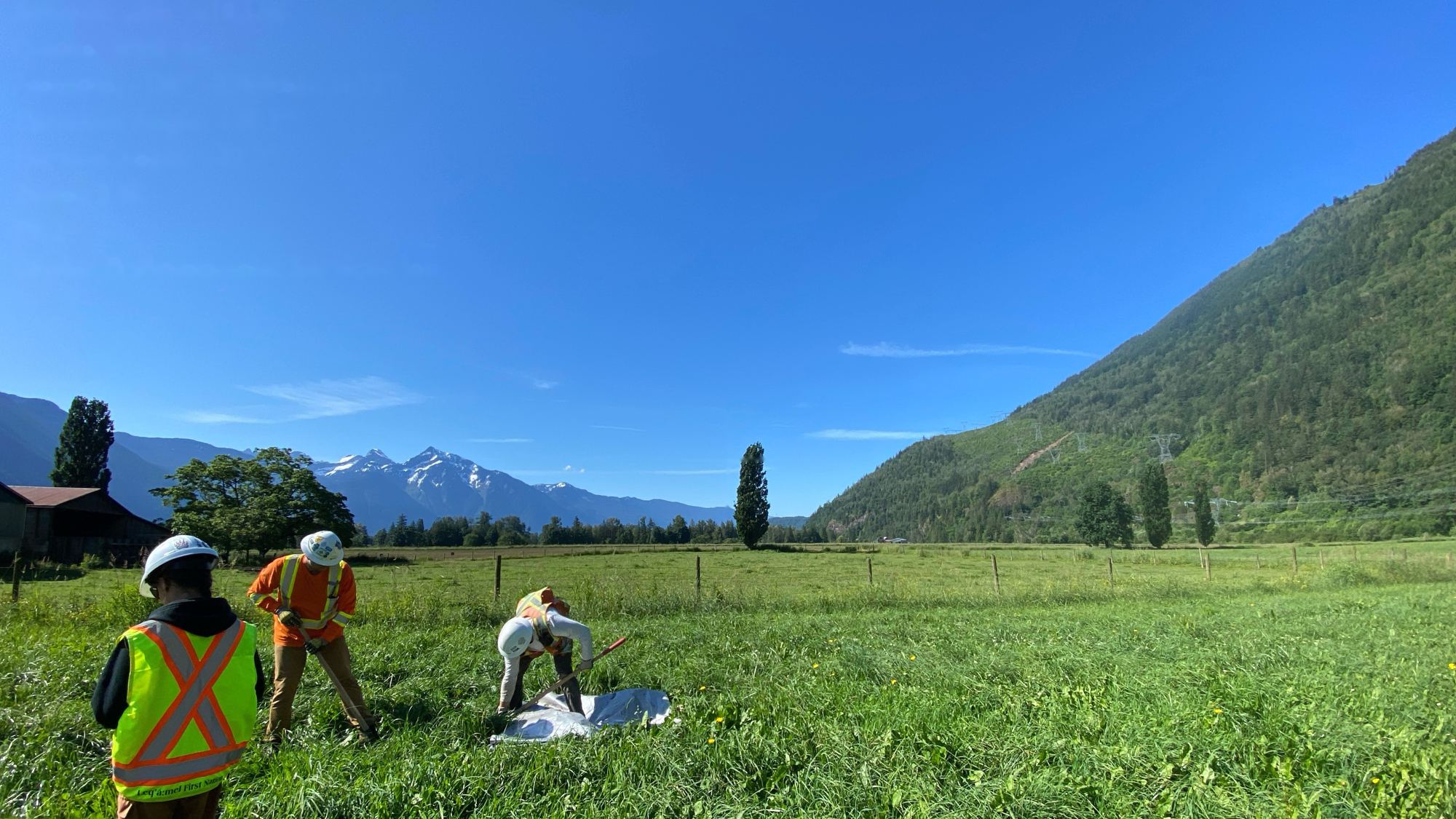
Training and mentoring for community monitors, field technicians and technical staff in sampling, crossing review, data management and reporting — so expertise stays in the community.
RiskReady® for Nation-owned firms
Access to RiskReady® methods and training for Indigenous-owned firms that want to deliver their own assessments and drill plan reviews.
Strategic alliances
Memoranda of understanding with Nations, tribal councils and Indigenous organizations to pursue opportunities together over time.
How we partner
Indigenous-led decision making, transparent economics, knowledge transfer from the start, and respect for community protocols and data ownership.
Empowering communities and leadership to shape projects.
We apply our services directly for Indigenous communities and their leadership — to assess, review and change major projects from the community's perspective, and to keep a record of what was agreed.
Assess
Independent review of applications, environmental protection plans, alignment sheets and drill plans against what binds the project and what matters to the community.
Review
RiskReady® assessments, crossing models and soil screening that turn technical material into scored, plain-language findings for leadership.
Influence
Positions, information requests and working-group support that lead to real changes — routing, crossing methods, mitigation and construction plans.
Record & monitor
Signed construction approvals, gap registers and field programs with community monitors, so commitments are kept on the ground.
Six services built around what Nations are asking for now.
Rapid review of fast-tracked projects
When a project is fast-tracked under the Building Canada Act or another accelerated process, consultation windows can be weeks, not months. We deliver a fixed-scope review inside that window: a RiskReady® screen of crossings and construction risk, a gap register of what is missing, and a briefing for Chief and Council.
Often eligible for federal consultation capacity funding.
Technical due diligence for equity ownership
Before a Nation buys into a pipeline or facility, we assess what it is buying: integrity and leak detection history, release record, environmental liabilities and operating risk — written for the Nation's negotiators and financial advisors.
Can be supported by capacity grants for Indigenous equity transactions.
Monitor and Guardian technical support
Field training, sampling protocols, data management and equipment selection for community monitors and Guardians, and preparation for joint inspections with regulators.
Technical support can form part of Guardian program funding.
Spill and emergency readiness
Community emergency response planning for Nations along pipelines and facilities, independent sampling after a release, and technical representation at incident and restoration tables — work we have already done for a First Nation after a pump station release.
Condition and commitment tracking
The RiskReady® Gap Register, extended to track every approval condition and proponent commitment with evidence, status and outcome — through construction and into operations.
Nation-owned baselines
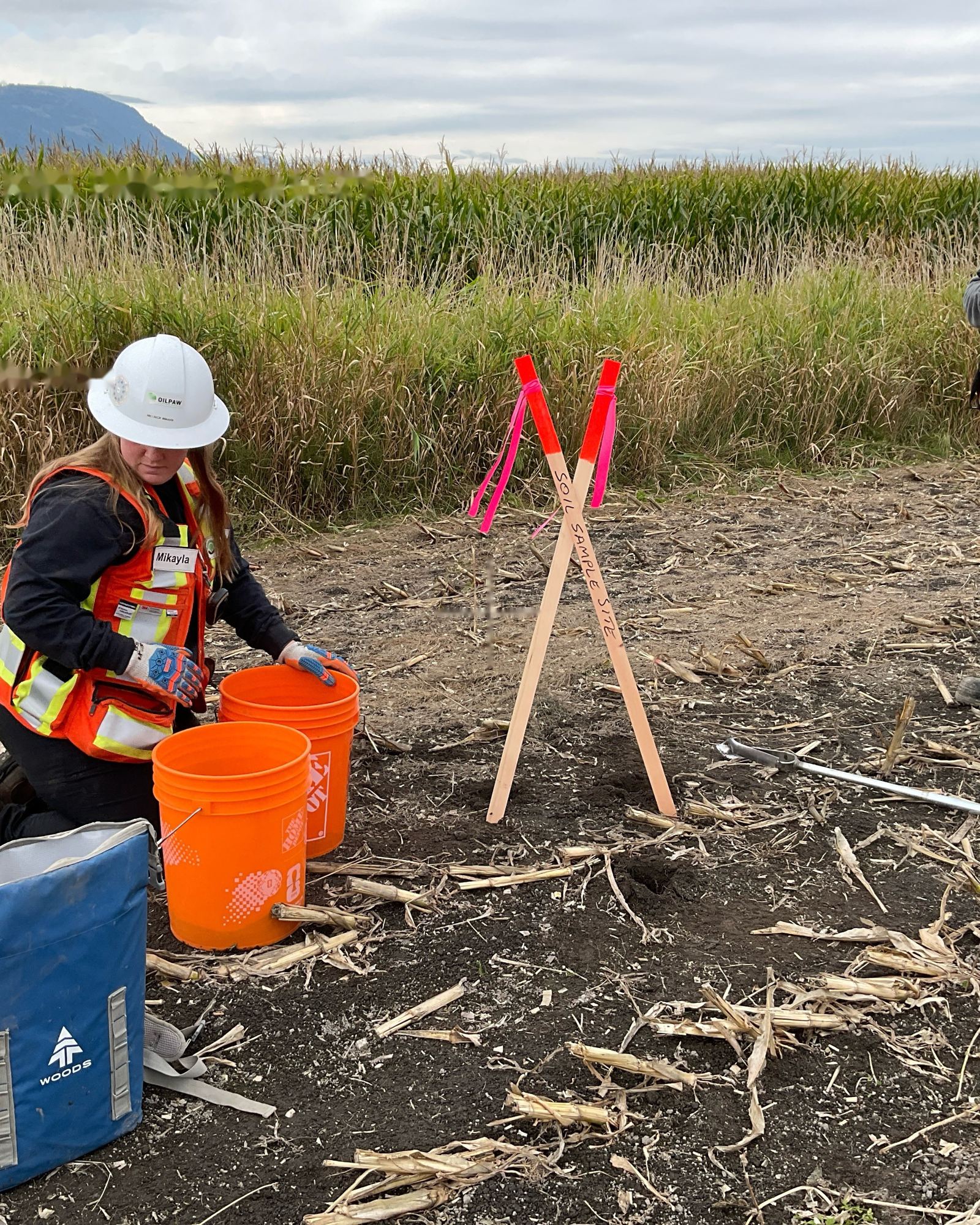
Soil and water baselines collected to defensible laboratory and sampling standards before construction, with the data owned and held by the Nation — its own evidence if something goes wrong later.
- Every crossing tested. On one pipeline corridor, more than 20 watercourse crossings were modelled with RiskReady® so the stewardship organization could press for the right crossing method at each.
- Plans tested before drilling. Drill execution plans are reviewed against 75 criteria, giving the community specific, risk-ranked requests for the proponent before work begins.
- Approvals in community hands. Construction through culturally sensitive sites proceeded only through signed Technical Construction Requests, segment by segment.
- A seat at technical tables. After an operating facility release, a First Nation had independent representation on water and air monitoring, integrity, leak detection and restoration.
- Baselines before construction. Soil and water baselines give communities their own evidence to hold projects to account after construction.
Let's talk about your community's priorities.
Whether you are reviewing a project, building technical capacity or exploring a partnership, we will start by listening.