
Field-proven depth.
Rigorous analytics.
Expert solutions.
Six practice areas, delivered by senior practitioners and brought together in one RiskReady® decision model.
Our practices apply to linear projects analysed segment by segment and to single sites analysed as one complete unit — RiskReady® scales to any project.
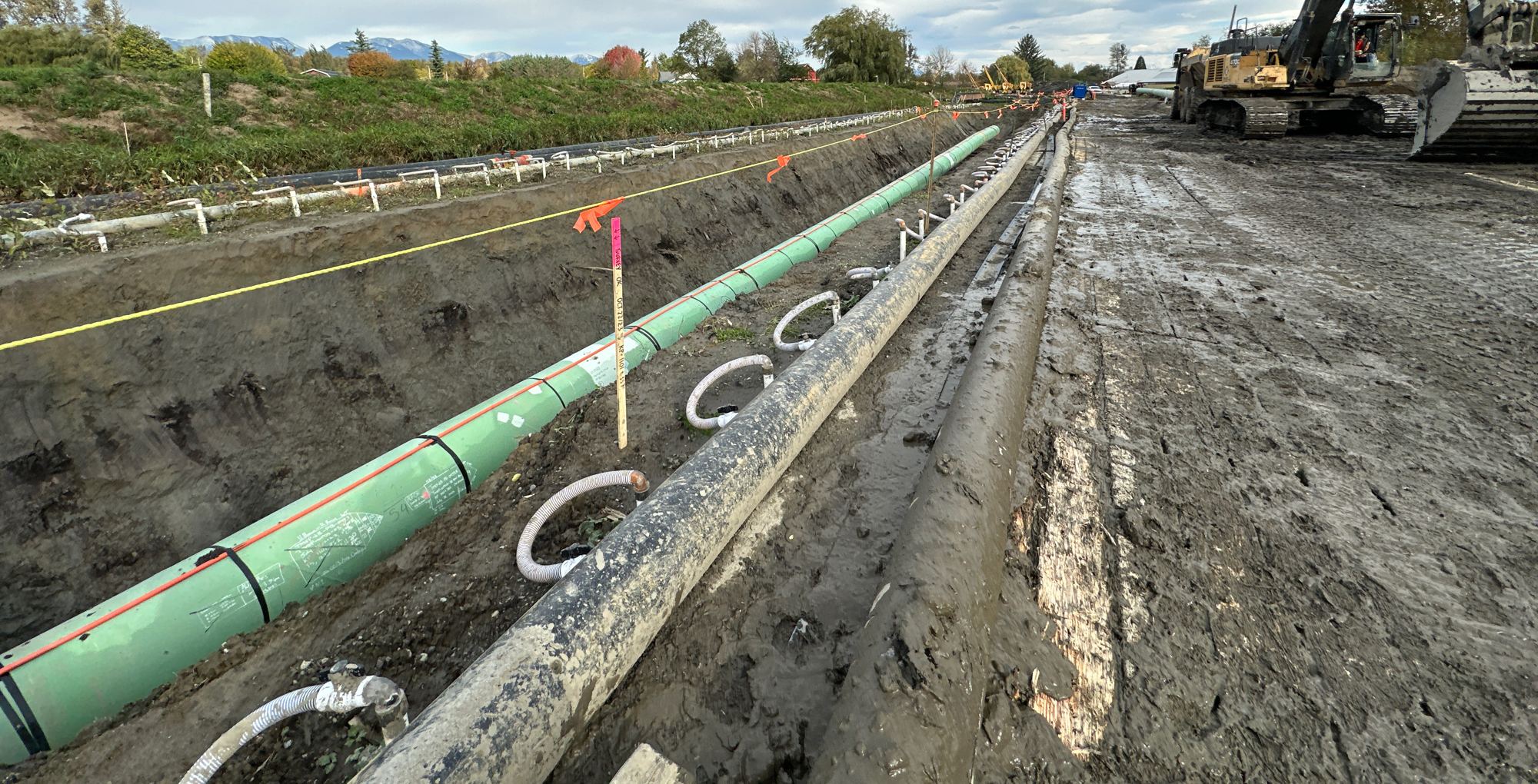
Construction risk & decision analysis
When there is more than one way to build — or more than one place to build — we quantify the trade-offs. Our RiskReady® models compare routes, alignments, site layouts, construction methods and schedules across environmental, cultural, engineering, regulatory and financial factors, and show the uncertainty around every answer.
- Pipeline alignment and routing: alternative routes compared segment by segment, so routing decisions rest on one complete model
- Site and layout options for mines, quarries, wharves and solar and wind farms
- Method selection: open cut, HDD, direct pipe, auger bore and microtunnel
- Monte Carlo simulation of footprint, excavation, dewatering, schedule and integrity risk
- Relative risk scoring with a documented basis for each factor
- Critical path risks and schedule impacts identified before they delay construction
- Decision summaries for executives, boards and community leadership
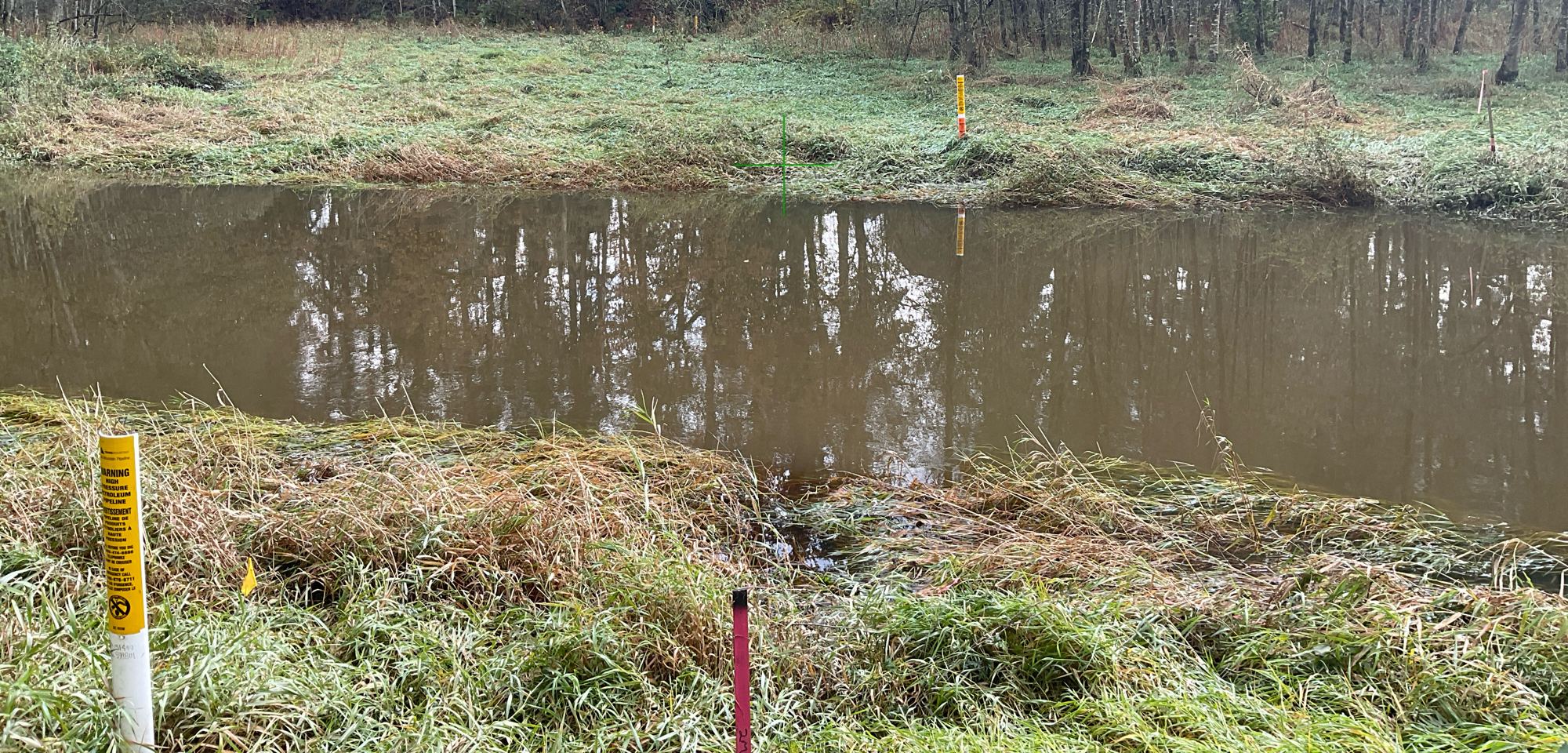
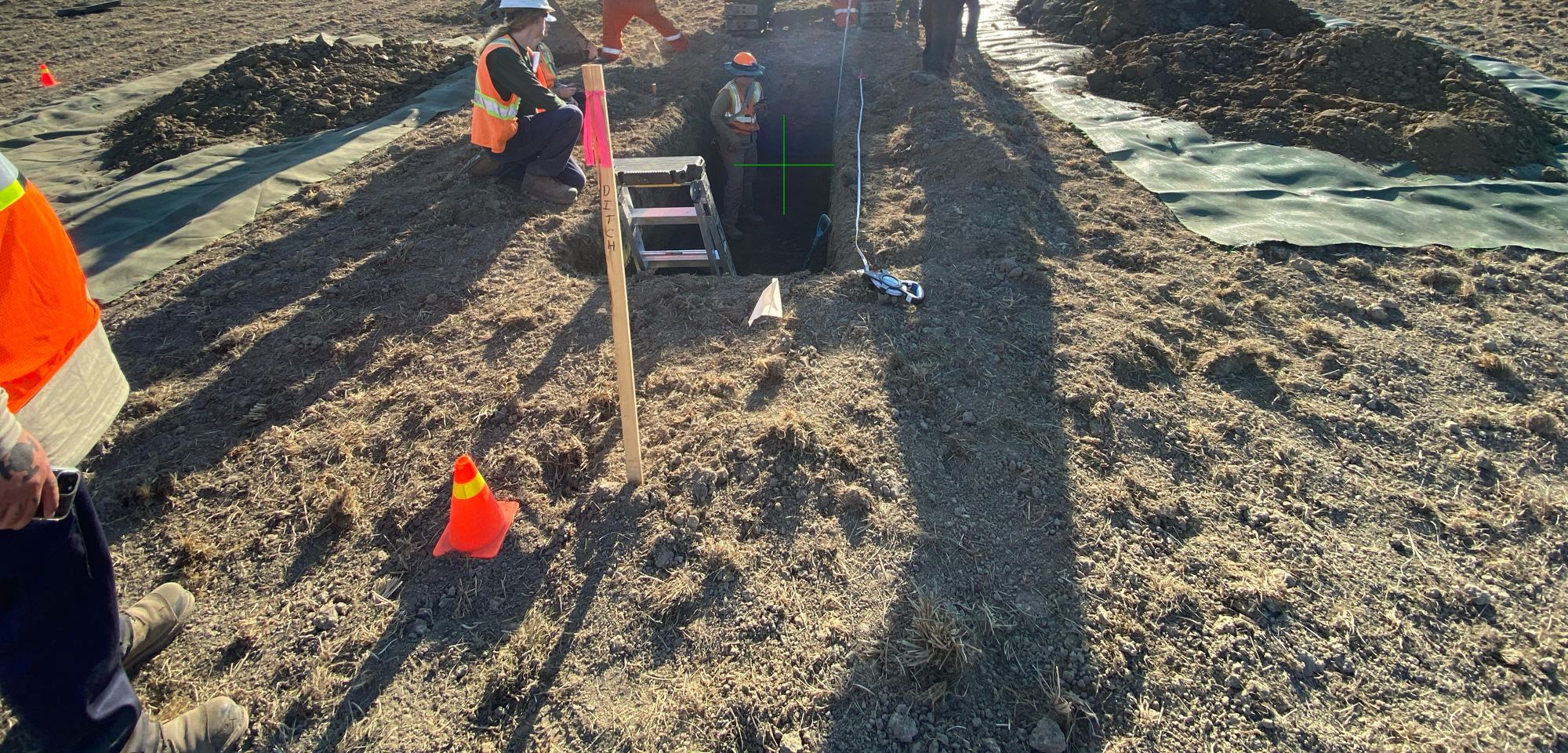
Watercourse, wetland & trenchless crossings
We review every crossing on a corridor, access road or site, and every drill plan that reaches us — against the permit or certificate conditions, the approved Environmental Protection Plan and the stewardship expectations that apply to the land and water.
- Corridor-wide watercourse and wetland inventories that inform pipeline routing and alignment choices
- Crossings for transmission lines, roads and rail, and mine, quarry and wind-farm access roads
- Independent review of drill execution plans using the RiskReady® assessment
- Drilling fluid release (frac-out) contingency and water-quality monitoring review
- Fish, species-at-risk and riparian management area considerations
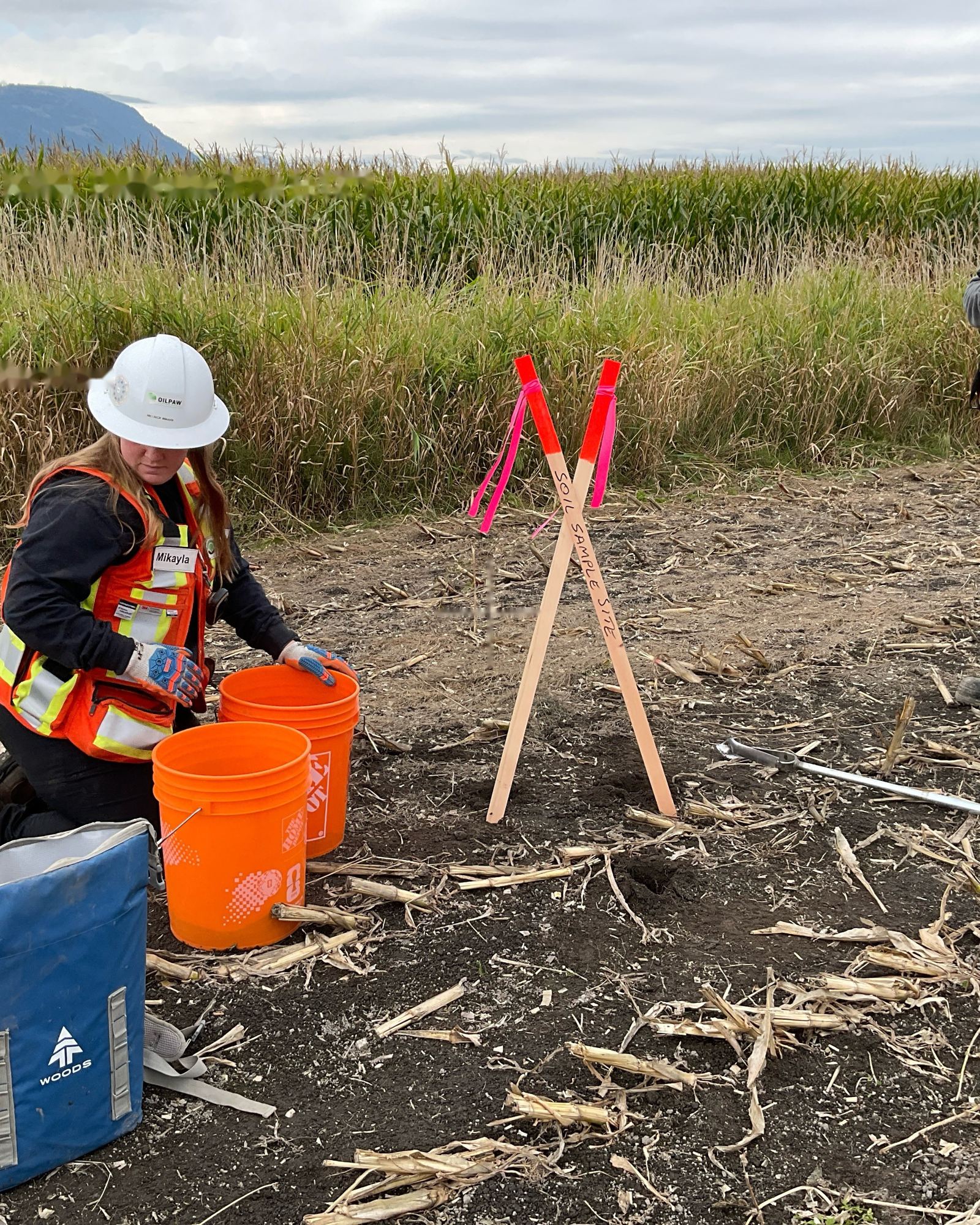
Soil assessment & screening
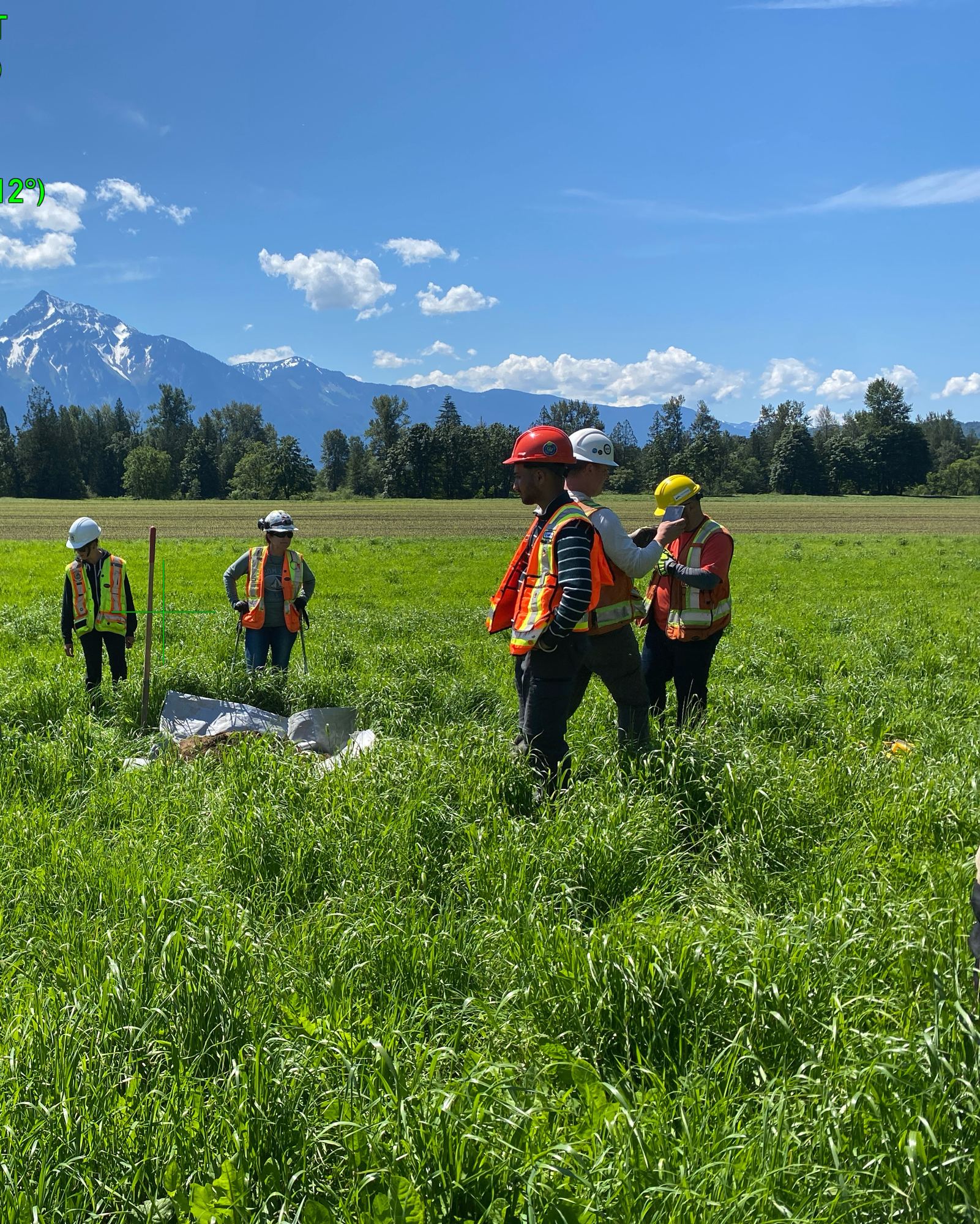
Baseline soil programs before construction or site development — on pipeline rights-of-way, mine and quarry sites, and solar and wind farms — so that what is moved, stored and returned is understood. We design sampling, coordinate accredited laboratory analysis and screen results against CCME agricultural guidelines and BC Contaminated Sites Regulation standards.
- Sampling design, field collection, chain of custody and site cards
- Screening against CCME and BC CSR standards, including groundwater-use pathways
- Hotspot identification and topsoil / subsoil handling recommendations
- Executive summaries and full technical reports in a consistent format
Stewardship & owner's advisory
We act as the technical representative for stewardship organizations, rights holders and project owners, translating engineering and regulatory material into clear positions and practical requests.
- Review of applications, EPPs, alignment sheets, site plans and construction plans
- Independent review of proposed pipeline routes and alignment alternatives with RiskReady®
- Preparation of positions, information requests and meeting briefings
- Participation in technical working groups with owners and contractors
- Capacity-building and plain-language reporting for leadership and members
Construction approvals (TCR)
Oilpaw developed the Technical Construction Request (TCR) process: one signed document for each work segment and each change in scope, reviewed by the archaeological permit holder, the owner, the stewardship organization, Oilpaw and the prime contractor.
- Converts continuous construction spreads — or a large site — into discrete, approvable segments and work areas
- Lets the owner prioritize approvals on the critical path
- A single hub for reviews, signatures and supporting drawings
- A durable record of what was approved, by whom and why
Monitoring & integrity
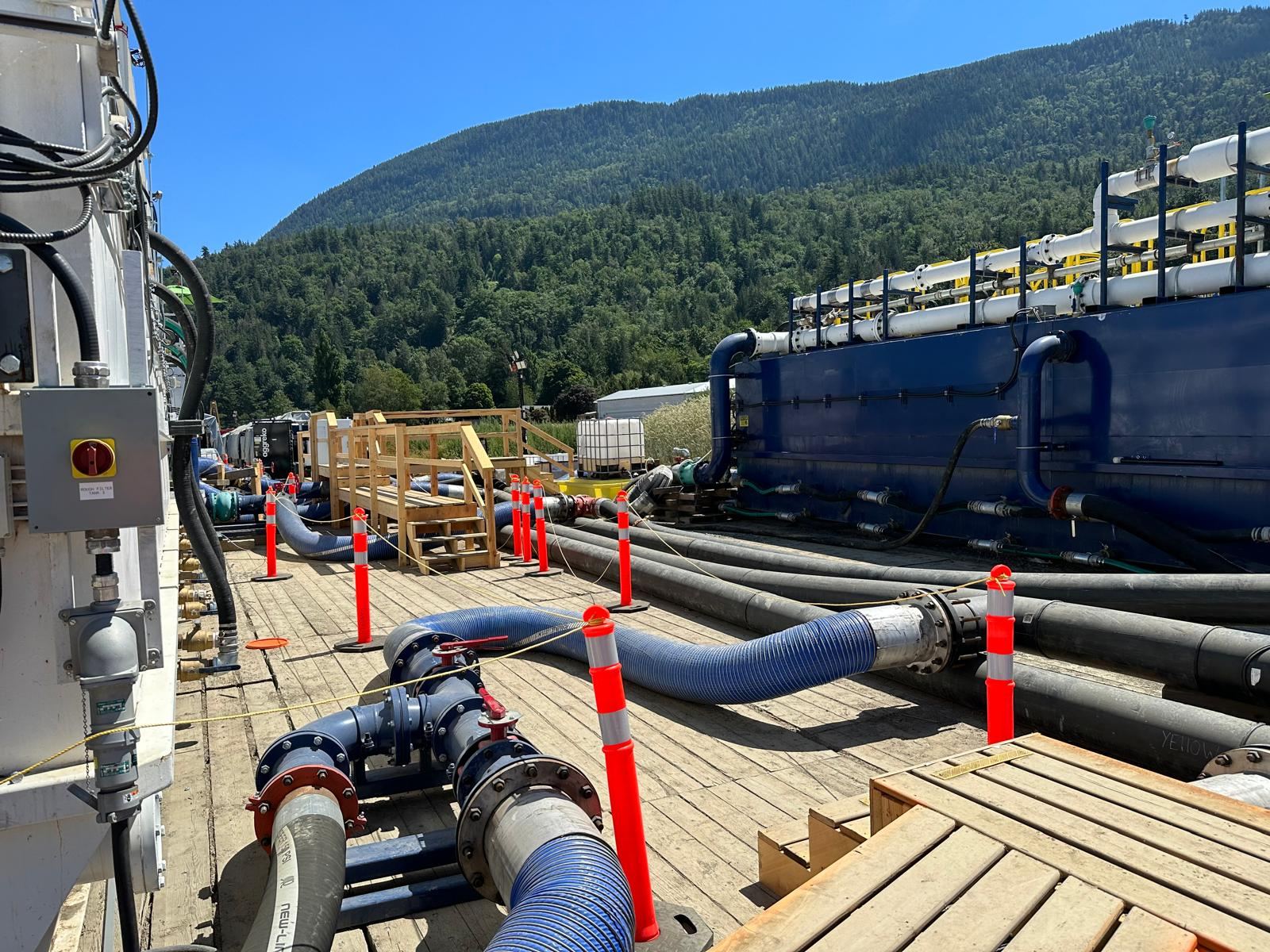
Where Oilpaw began: hydrocarbon leak detection, flange containment and integrity investigations for pipelines, terminals and refineries since 2013, alongside environmental monitoring for new and operating facilities, mine and quarry sites, and marine terminals.
- Hydrocarbon leak detection and FlangeKan flange containment
- Leak detection false-alarm and integrity investigations
- Environmental monitoring program design and data review
- Connected (IIoT) monitoring station design and installation
- Dewatering and groundwater management review
Have a project that needs an independent view?
We take on a limited number of engagements so that a senior practitioner leads every one. Tell us about your project and timelines.